The interconnectedness of the global economy has made it increasingly susceptible to the impact of various events, both local and international. Market conditions are often influenced by a myriad of factors, including geopolitical tensions, natural disasters, economic policies, and technological advancements. In this article, we will delve into the significant impact of global events on market conditions, exploring how these events can create volatility and uncertainty within financial markets.
**Geopolitical Tensions**
One of the most significant factors influencing market conditions is geopolitical tensions. Political instability, conflicts, and trade disputes between countries can have a direct impact on financial markets. For instance, the ongoing trade tensions between the United States and China have led to fluctuations in global stock markets and currency exchange rates. Investors closely monitor political developments and policy decisions, as they can significantly affect the performance of various assets.
**Natural Disasters and Climate Change**
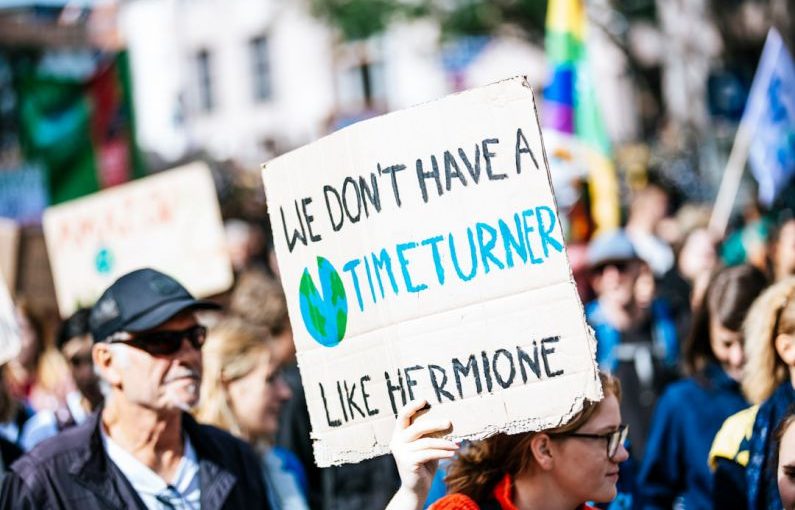
Natural disasters, such as hurricanes, earthquakes, and wildfires, can also disrupt market conditions. These events can damage infrastructure, disrupt supply chains, and impact the production and distribution of goods and services. In recent years, the increasing frequency and intensity of natural disasters due to climate change have raised concerns among investors and businesses. Companies operating in vulnerable regions may face challenges in maintaining their operations, leading to market volatility.
**Economic Policies and Central Bank Decisions**
Economic policies implemented by governments and central banks play a crucial role in shaping market conditions. Interest rate changes, monetary policy decisions, and fiscal stimulus measures can impact inflation, employment, and economic growth. For example, when central banks lower interest rates to stimulate economic activity, it can lead to increased borrowing and investment, boosting market performance. Conversely, tightening monetary policy can lead to a slowdown in economic growth and market downturns.
**Technological Advancements and Innovation**
The rapid pace of technological advancements has transformed the way markets operate. Innovations such as artificial intelligence, blockchain technology, and automation have revolutionized industries and created new investment opportunities. Companies that embrace technological advancements can gain a competitive edge in the market, attracting investors seeking growth potential. On the other hand, businesses that fail to adapt to technological changes may face challenges in remaining competitive, affecting their market performance.
**Pandemics and Global Health Crises**
The outbreak of pandemics and global health crises can have a profound impact on market conditions. The COVID-19 pandemic, for instance, led to widespread economic disruption, stock market volatility, and a sharp decline in consumer spending. Industries such as travel, hospitality, and retail were particularly hard hit, as lockdowns and restrictions limited business operations. Investors closely monitor developments related to public health crises, as they can have far-reaching consequences on the global economy and financial markets.
**Conclusion: Navigating Market Volatility**
In conclusion, the impact of global events on market conditions underscores the interconnected nature of the modern economy. Investors and businesses must remain vigilant and adaptable in the face of uncertainty and volatility. By staying informed about geopolitical developments, economic indicators, technological trends, and health crises, market participants can make informed decisions to navigate challenging market conditions. Understanding the drivers behind market fluctuations is essential for building a resilient investment portfolio and mitigating risks in an ever-changing global landscape.