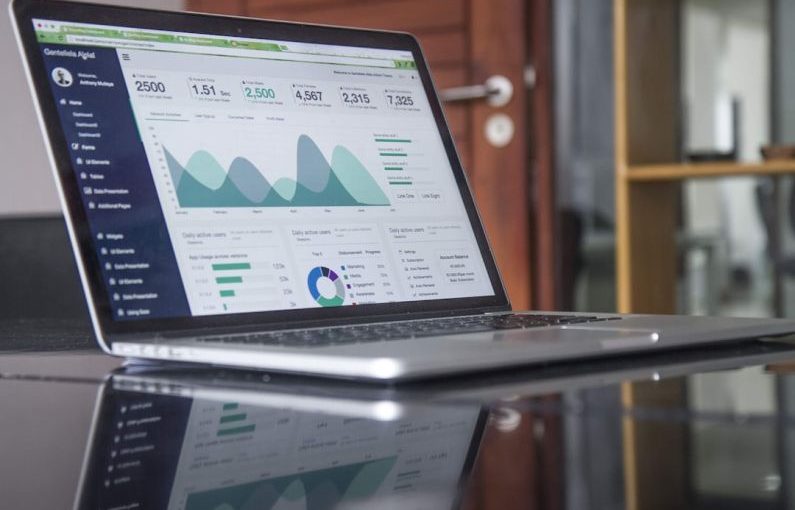
In today’s fast-paced business landscape, leveraging market data has become a crucial strategy for companies looking to achieve sustainable growth and stay ahead of the competition. Market data, which includes information about consumer behavior, industry trends, competitor activities, and economic indicators, provides valuable insights that can drive informed decision-making and strategic planning. By harnessing the power of market data, businesses can identify new opportunities, mitigate risks, optimize their marketing efforts, and ultimately drive business growth.
Understanding Consumer Behavior
One of the key benefits of leveraging market data is gaining a deeper understanding of consumer behavior. By analyzing data on consumer preferences, purchasing patterns, and demographics, businesses can tailor their products and services to better meet the needs and desires of their target audience. This insight allows companies to develop more effective marketing campaigns, improve customer satisfaction, and build brand loyalty.
Tracking Industry Trends
Keeping a pulse on industry trends is essential for staying competitive in today’s rapidly evolving business environment. Market data can provide valuable information on emerging technologies, changing consumer preferences, and industry disruptions. By monitoring and analyzing this data, businesses can adapt their strategies to capitalize on new opportunities and stay ahead of the curve.
Monitoring Competitor Activities
Another valuable use of market data is tracking competitor activities. By analyzing data on competitors’ pricing strategies, product launches, and marketing campaigns, businesses can gain valuable insights into their competitors’ strengths and weaknesses. This information can help companies identify gaps in the market, differentiate their offerings, and develop strategies to outperform their rivals.
Optimizing Marketing Efforts
Market data is also instrumental in optimizing marketing efforts. By analyzing data on customer behavior, engagement metrics, and campaign performance, businesses can fine-tune their marketing strategies to maximize ROI. Data-driven marketing allows companies to target the right audience with the right message at the right time, resulting in more effective campaigns and higher conversion rates.
Mitigating Risks
In addition to driving growth, market data can also help businesses mitigate risks. By monitoring economic indicators, regulatory changes, and market fluctuations, companies can anticipate potential challenges and develop contingency plans to protect their bottom line. Proactively using market data to identify and address risks can help businesses navigate uncertain times and emerge stronger in the long run.
Expanding into New Markets
For businesses looking to expand into new markets, market data is an invaluable resource. By analyzing data on market size, growth potential, and competitive landscape, companies can make informed decisions about where to allocate resources and how to approach market entry. Leveraging market data can help businesses identify the most promising opportunities for growth and develop strategies to successfully enter new markets.
Driving Business Growth
In conclusion, leveraging market data is a powerful tool for driving business growth in today’s competitive landscape. By understanding consumer behavior, tracking industry trends, monitoring competitor activities, optimizing marketing efforts, mitigating risks, and expanding into new markets, businesses can harness the insights provided by market data to make informed decisions and achieve sustainable growth. In a data-driven world, companies that prioritize the collection and analysis of market data are better positioned to thrive and succeed in the long term.